A comprehensive, role-aware ERP built for universities and autonomous colleges — covering every campus operation from pre-admission to TC issuance, HR onboarding to salary processing, and barcode-based examination management.
Note: The GitHub profile linked is for reference only. The actual production codebase is proprietary and is not publicly shared due to security and copyright restrictions.
Measurable outcomes from the EduERP deployment across university campuses.
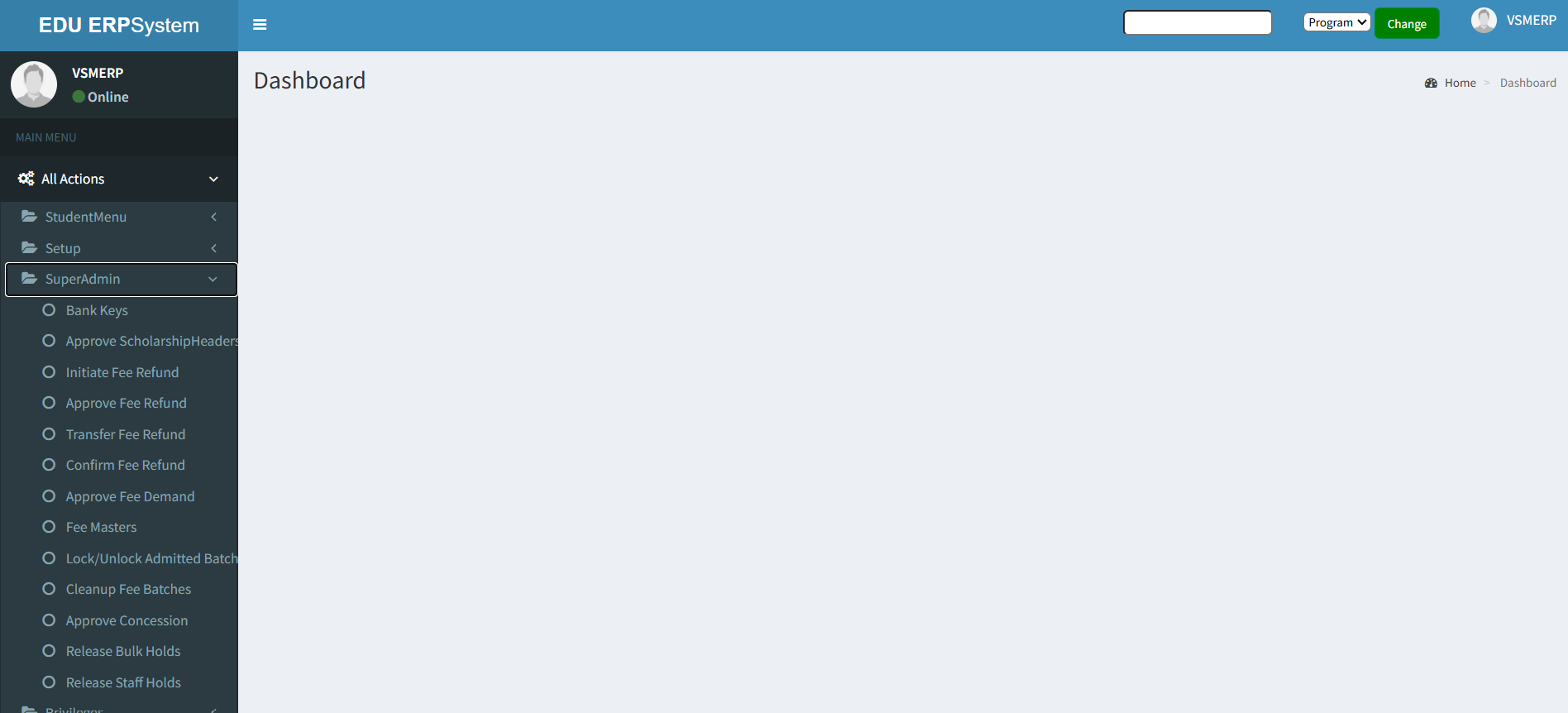
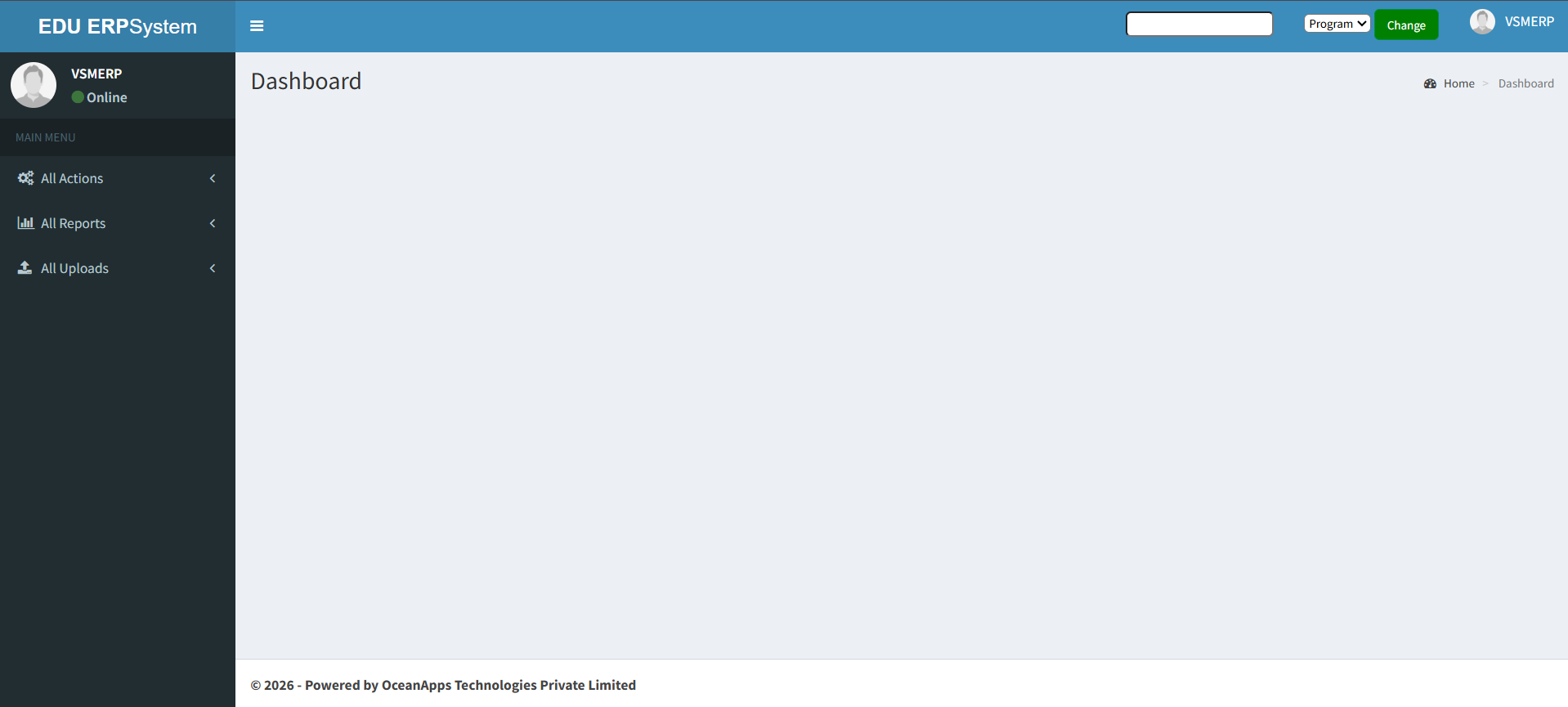
Every user sees only what their role permits — enforced at API and UI level via RBAC.
The complete student lifecycle managed within a single unified system.
Lead capture, interview scheduling, eligibility checks, online application tracking, and automated enrollment workflows.
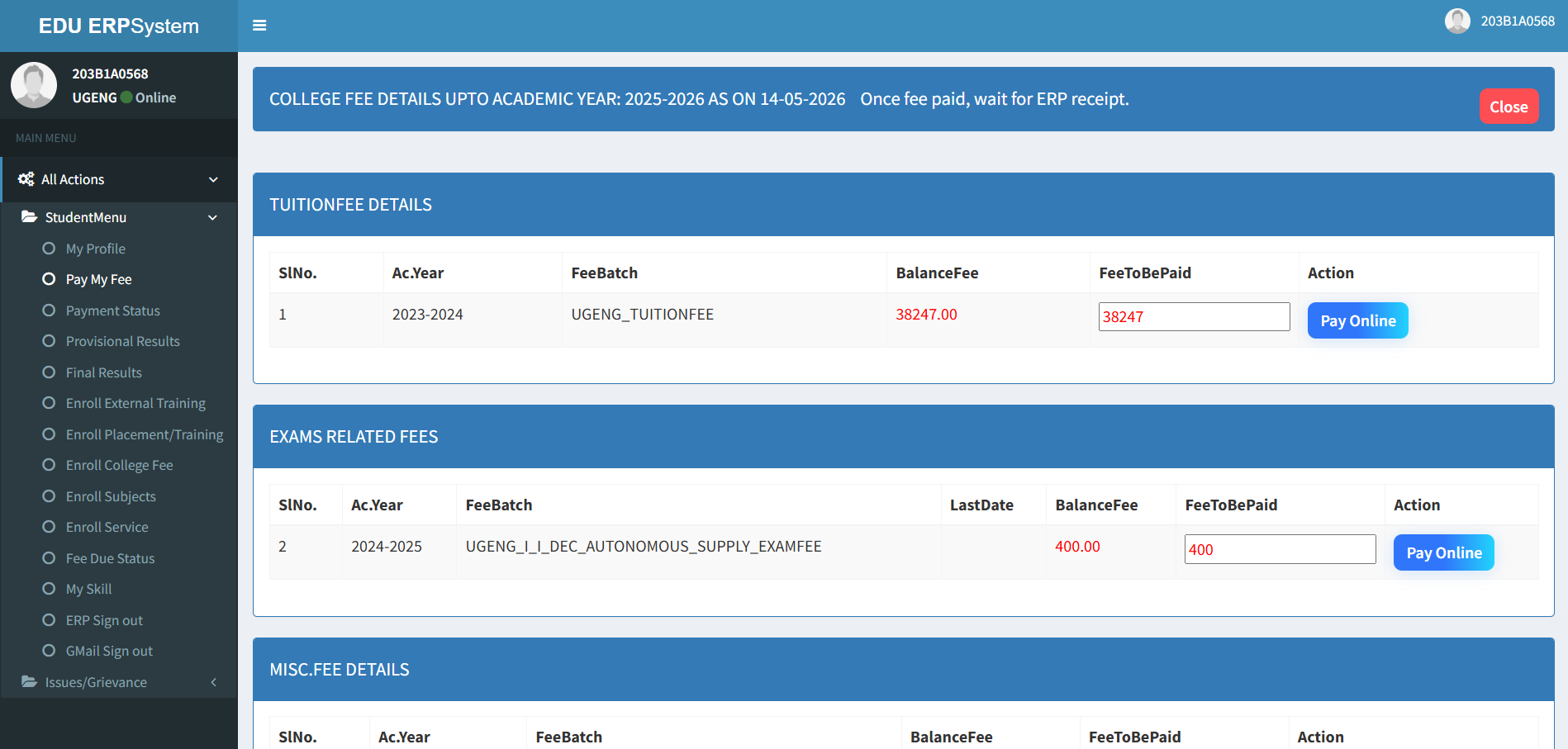
Multi-head fee structure, UPI/netbanking/card integration, auto-reconciliation, receipt automation and fine management.
Timetable generation, barcode-based hall tickets, answer book tracking, marks digitization, revaluation and instant transcripts.
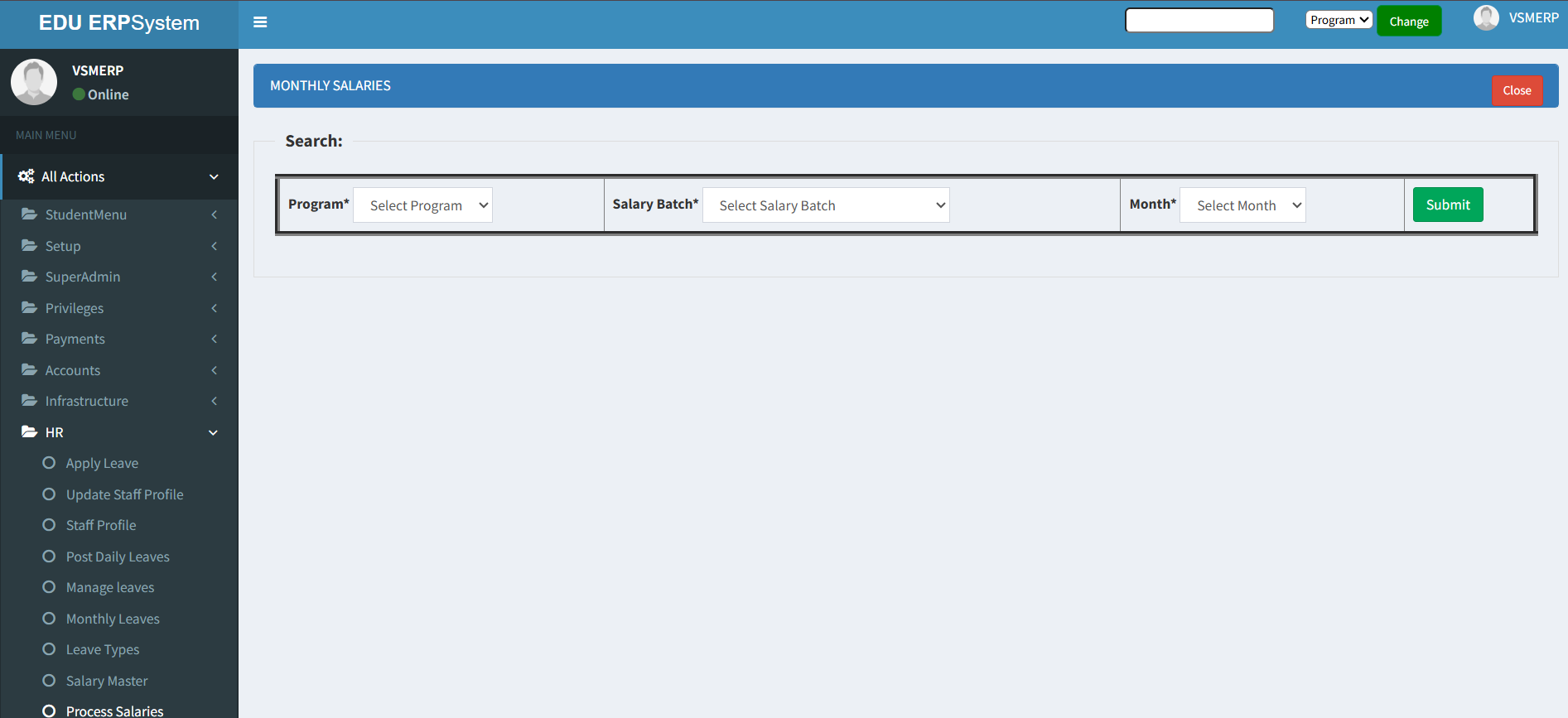
Automated salary runs, leave & attendance workflows, EPF/ESIC/TDS reporting, compliance certificates and full payroll audit.
KPI dashboards, NAAC/IQAC-ready exports, scheduled automated reporting for leadership and accreditation bodies.
Role-based access control, audit logs, session management, API-level permission enforcement, and data isolation per role.
Book catalog, issue/return tracking, fine management, barcode scanning for books, and digital resource management.
Company registrations, placement drives, student enrollment, training tracking, and placement analytics dashboard.
Scholarship application management, approval workflows, grievance redressal system with escalation tracking.
Instead of relying on Razorpay, CCAvenue, or PayU — EduERP and Injara LMS use a custom-built payment gateway integrated directly with the bank, eliminating per-transaction commission charges entirely.
The system generates unique barcodes for each student's hall ticket and answer booklet. During exams, scanning the barcode links the answer book to the student's record, eliminating manual entry. Marks are then digitized against the barcode ID, ensuring accuracy and a complete audit trail from hall ticket to result publication.
EduERP uses a robust Role-Based Access Control (RBAC) system. Each user is assigned a role (Student, Faculty, HOD, HR, Accounts, etc.), and every API endpoint and UI component enforces role-level permissions. This means a student can never access payroll data, and an accountant sees only financial modules relevant to their role.
EduERP uses a custom-built bank payment gateway — not Razorpay, CCAvenue, or PayU. This means zero per-transaction commission charges. The gateway integrates directly with the institution's bank via UPI collect and net banking APIs. Payments are confirmed in real-time, automatically reconciled against the student's fee ledger, and receipts are generated instantly — all without any data leaving the institution's server.
No. The production codebase is proprietary and owned by Oceanapps Technologies Private Limited. Any GitHub repositories linked are reference implementations only, shared to demonstrate architectural approach. The actual system contains sensitive business logic and institution-specific configurations that are not publicly distributed.
The HR module has built-in salary heads configured for EPF (12% employer + employee), ESIC (applicable where salary ≤ ₹21,000), and TDS calculation based on the employee's declared investments. Monthly payroll runs auto-calculate deductions, generate payslips, and produce compliance reports ready for government filing.
Yes. EduERP is designed for multi-campus institutions. Data is scoped by campus/branch, allowing a SuperAdmin to view consolidated reports while campus-level administrators manage their own data. Role assignments can be campus-specific, ensuring proper isolation between institutions.
Let's discuss how I can architect a robust ERP or backend system for your organization.